 96.3% Pure Snail Secretion Filtrate
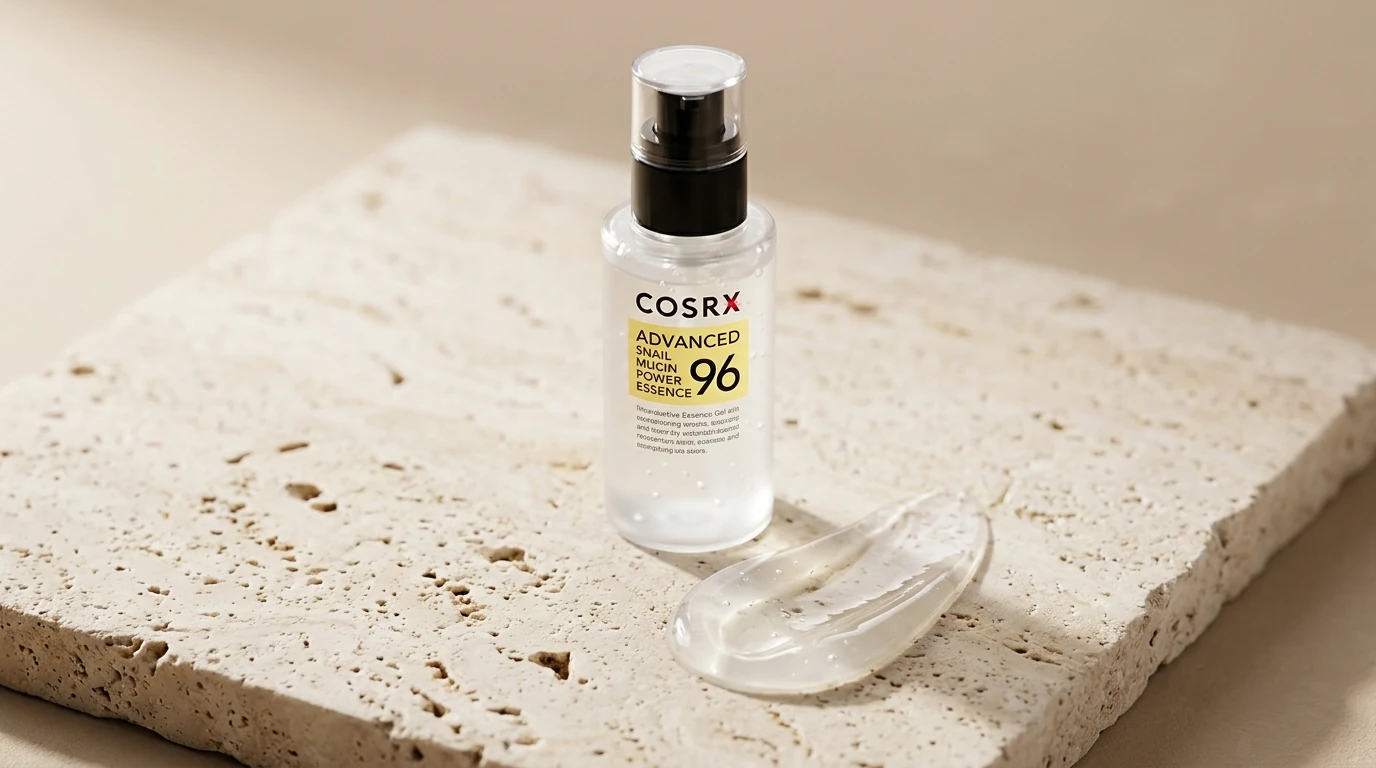
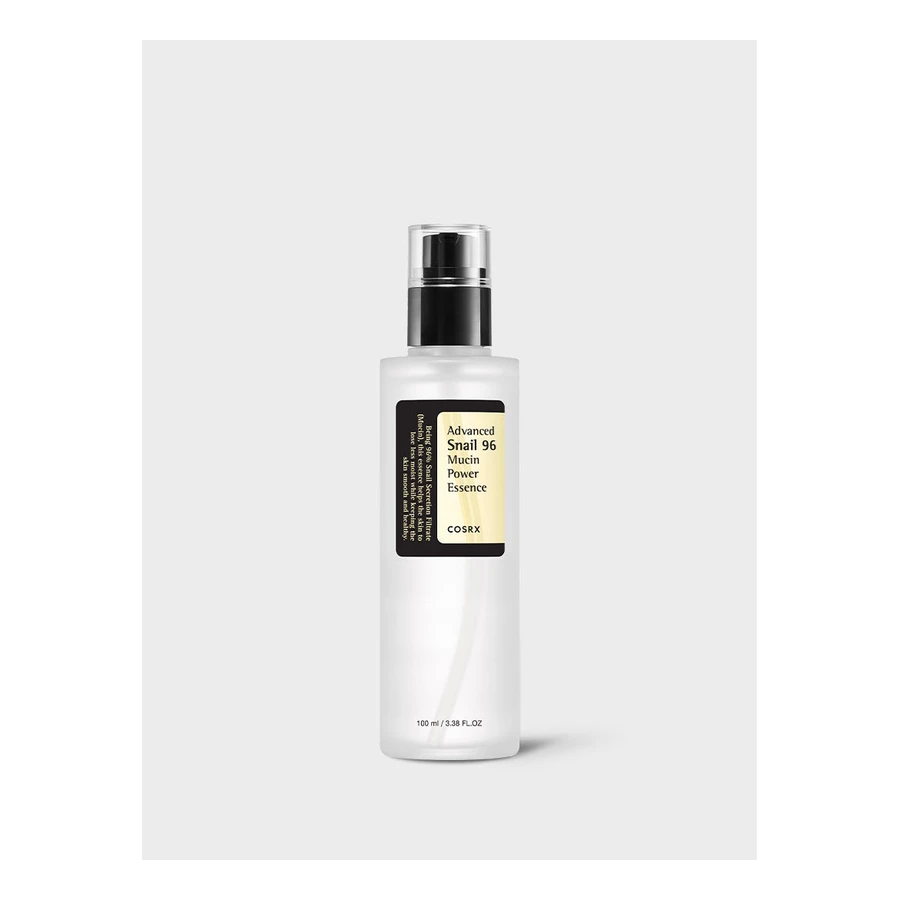
COSRX Advanced Snail 96 Mucin Power Essence (3.38 fl oz)
- Intense Barrier Hydration: 96.3% snail secretion filtrate provides immediate plumpness and glassy bounce.
- Fragrance & Alcohol-Free: Pure, hypoallergenic formula free of artificial scents, parabens, and sulfates.
- Cruelty-Free Harvesting: Collected gently in dark, stress-free chambers without harm to snails.
This safety guide supports our core routine pillar: The Women's Glass Skin Routine: 4 Steps for Deep Barrier Repair & Dewy Glow ↗. For full formula details, read the COSRX Snail Mucin 96 Review ↗.
With over 90,000 positive ratings on Amazon, the COSRX Advanced Snail 96 Mucin Power Essence is one of the most widely recognized hydrating products in Korean skincare. Users appreciate its ability to hydrate dry skin, soothe surface irritation, and provide a plump, dewy finish.
Yet, a small percentage of shoppers try snail mucin and wake up with tiny, itchy bumps or blotchy redness.
Why does a product celebrated for calming skin trigger irritation in certain individuals? The answer lies in two specific biological factors: cross-reactivity with dust mite allergies and confusion surrounding fungal acne (Malassezia folliculitis).
Here is the science behind snail mucin sensitivity, who should avoid it, and how to patch test safely before applying it to your entire face.
The Dust Mite Connection: Tropomyosin Cross-Reactivity
If you have a known allergy to house dust mites or shellfish, your immune system may react negatively to snail secretion filtrate.
The biological culprit is a structural muscle protein called tropomyosin. Snails, dust mites, and crustaceans (such as shrimp and crabs) share highly conserved amino acid sequences within their tropomyosin proteins.
When someone with a sensitive dust mite allergy applies snail secretion filtrate, their immune mast cells can mistake the snail glycoproteins for dust mite allergens, releasing histamine. This causes sudden redness, itching, and tiny raised bumps that resemble a rash rather than true acne.
In Simple Terms: If your immune system already sound the alarm whenever it encounters dust mites, it might recognize the similar proteins in snail mucin and trigger an allergic reaction. It is not that the product is harmful; it is simply that your personal immune system is misidentifying a harmless protein.
Is Snail Mucin Safe for Fungal Acne?
Fungal acne is not actually acne; it is Malassezia folliculitis, an overgrowth of natural skin yeast inside hair follicles.
The yeast feeds on specific lipids: fatty acids with carbon chain lengths between 12 and 24. When you apply heavy oils, esters, or fatty creams, the yeast multiplies, causing uniform, itchy, dome-shaped bumps along the forehead and hairline.
The good news for fungal acne sufferers: pure snail secretion filtrate is naturally free of yeast-feeding lipids. The COSRX formula contains water, snail mucin, betaine, butylene glycol, and sodium hyaluronate, none of which contain the fatty acids that feed Malassezia yeast.
If you develop bumps from COSRX, it is almost certainly a dust mite protein sensitivity, not fungal acne feeding.
The 24-Hour Patch Test Protocol
Before smoothing snail mucin all over your cheeks, always conduct a simple 24-hour patch test:
- Cleanse a Small Area: Wash your inner forearm or the skin behind your ear with warm water.
- Apply One Drop: Dab a single drop of COSRX Snail Mucin 96 onto the area and let it dry.
- Wait 24 Hours: Monitor the skin for redness, itching, swelling, or hives.
- Evaluate: If your skin looks completely calm the next day, you can safely incorporate the essence into your daily face routine.
In Simple Terms: Patch testing is like testing a tiny fabric swatch on your wrist before having a complete garment tailored. It takes only a moment and helps confirm that the material feels comfortable and gentle on your skin.
COSRX Advanced Snail 96 Mucin Power Essence
Amazon's bestselling essence packed with 96.3% snail secretion filtrate to deeply hydrate, plump, and repair fragile skin barriers.
Official Sources & Clinical References
- Tropomyosin Cross-Reactivity in Invertebrates: Journal of Allergy and Clinical Immunology: "Cross-Reactivity Between Terrestrial Gastropods, House Dust Mites, and Crustaceans Mediated by Invertebrate Tropomyosins."
- Malassezia Folliculitis Lipid Requirements: British Journal of Dermatology: "Nutritional Physiology of Malassezia Yeasts: Specificity of Lipid Chain Lengths in Follicular Colonization."
- Snail Secretion Filtrate Wound Healing: International Journal of Dermatology: "Clinical Efficacy of Topical Snail Mucopolysaccharides on Epidermal Hydration and Tissue Elasticity."