 Salmon DNA Barrier Shield
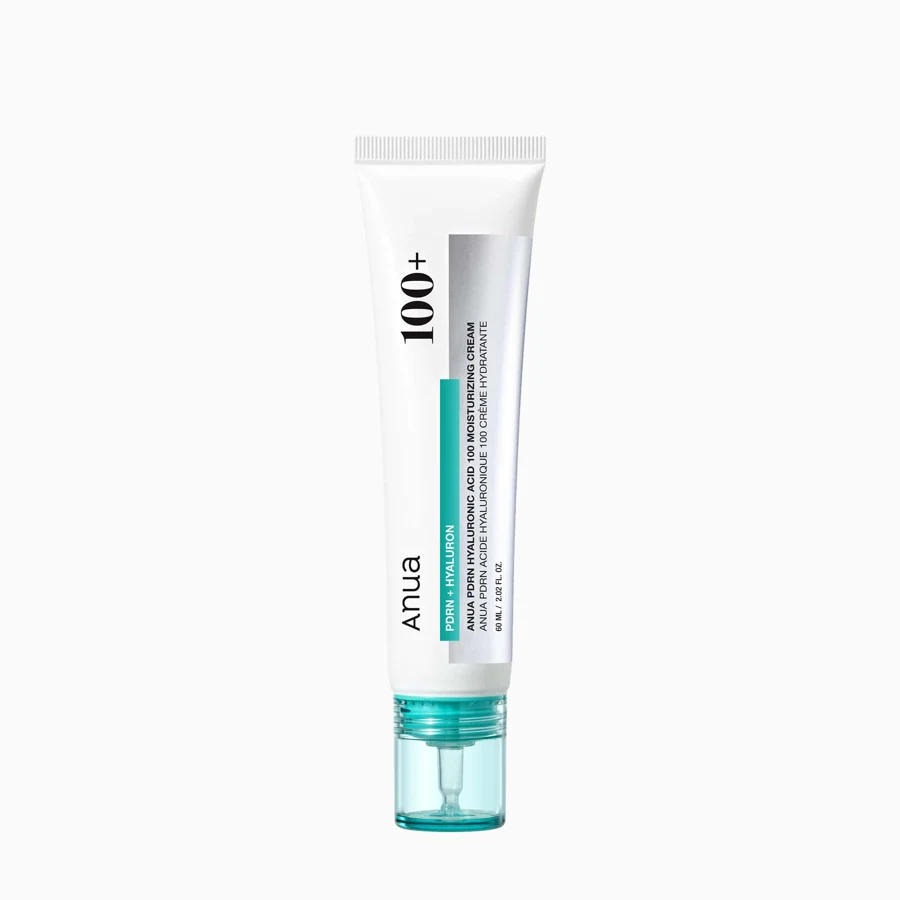
ANUA PDRN Hyaluronic Acid 100 Cream
- Adenosine A2A Calming: Quells inflammatory signals before retinol redness can set in.
- Multi-Weight Hyaluronic Acid: Deeply hydrates skin cells while active retinoids promote turnover.
- Lightweight Emulsion: Sinks in within 60 seconds with zero greasy pilling under nighttime treatments.
This active pairing guide supports our core routine pillar: The Korean Glass Skin Protocol: 4 Core Skincare Steps Tested and Compared ↗. For full formula details, read the ANUA PDRN Hyaluronic Acid 100 Cream Review ↗.
Retinol is one of the most effective ingredients for smoothing fine lines and accelerating cell renewal, but it comes with a well-known tax: the dreaded retinoid adjustment period.
During the first two to four weeks of using retinol, many people deal with peeling corners of the mouth, sudden redness, and stinging sensations whenever they wash their face. To escape this discomfort, dermatologists in Seoul increasingly pair active retinoids with topical PDRN (polydeoxyribonucleotide).
Here is why PDRN and retinol work so well together, how the biology protects your skin barrier, and the exact step-by-step layering protocol to use at night.
The Biological Clash: Why Retinol Causes Peeling
When you apply retinol or prescription tretinoin, your skin converts the molecule into retinoic acid. This acid binds to nuclear retinoic acid receptors, ordering your basal skin cells to divide and shed at high speed.
While faster shedding eventually reveals glowing skin, it creates a temporary problem: your surface skin cells shed faster than your skin can synthesize new ceramides and natural moisturizing factors (NMF). The lipid barrier thins, water evaporates into the room, and pro-inflammatory cytokines rush in, triggering visible flaking and redness.
This is where PDRN enters the equation.
How PDRN Buffers Retinoid Irritation
Extracted from purified salmon DNA, PDRN acts on a completely different cellular receptor: the adenosine A2A receptor.
While retinol orders cells to shed, PDRN activates tissue recovery pathways. It tells epidermal keratinocytes and fibroblasts to ramp up barrier repair, triggers the synthesis of endogenous hyaluronic acid, and quiets down the inflammatory signals that cause flushing.
In Simple Terms: Think of retinol like a vigorous workout session for your skin cells; it forces them to work hard, but leaves them sore and drained. PDRN acts like the recovery drink. While retinol speeds up cell turnover, PDRN provides the soothing signals and hydration your skin needs to repair surface micro-damage before redness and peeling can start.
The 3-Step Nighttime Layering Routine
To get all the collagen-stimulating benefits of retinol without irritation, follow this evening sequence:
Step 1: Cleanse and Hydrate
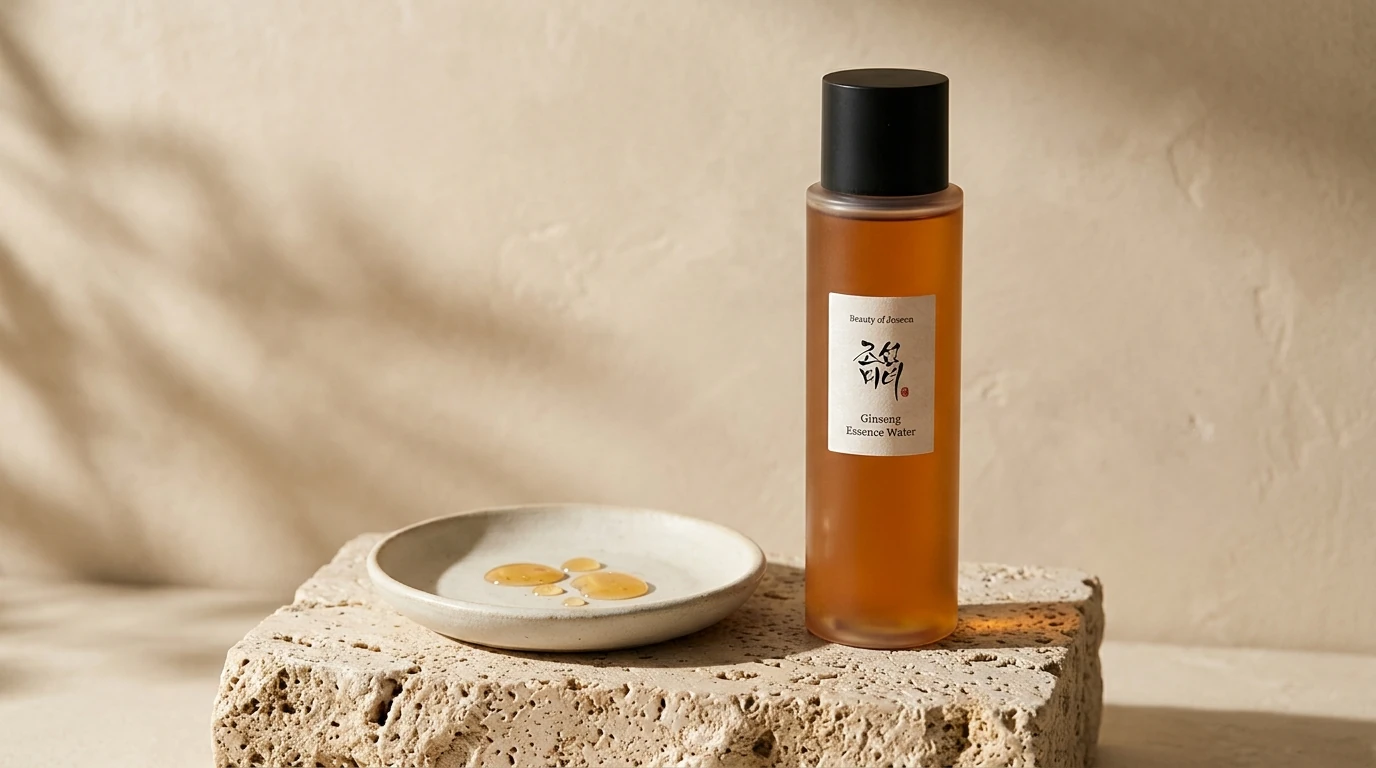
Wash your face with a gentle water cleanser and pat completely dry. Apply a light hydrating water (such as Ginseng or Centella). Never apply retinol directly to soaking wet skin, as water increases retinoid penetration speed and triggers stinging.
Step 2: Apply Your Retinol
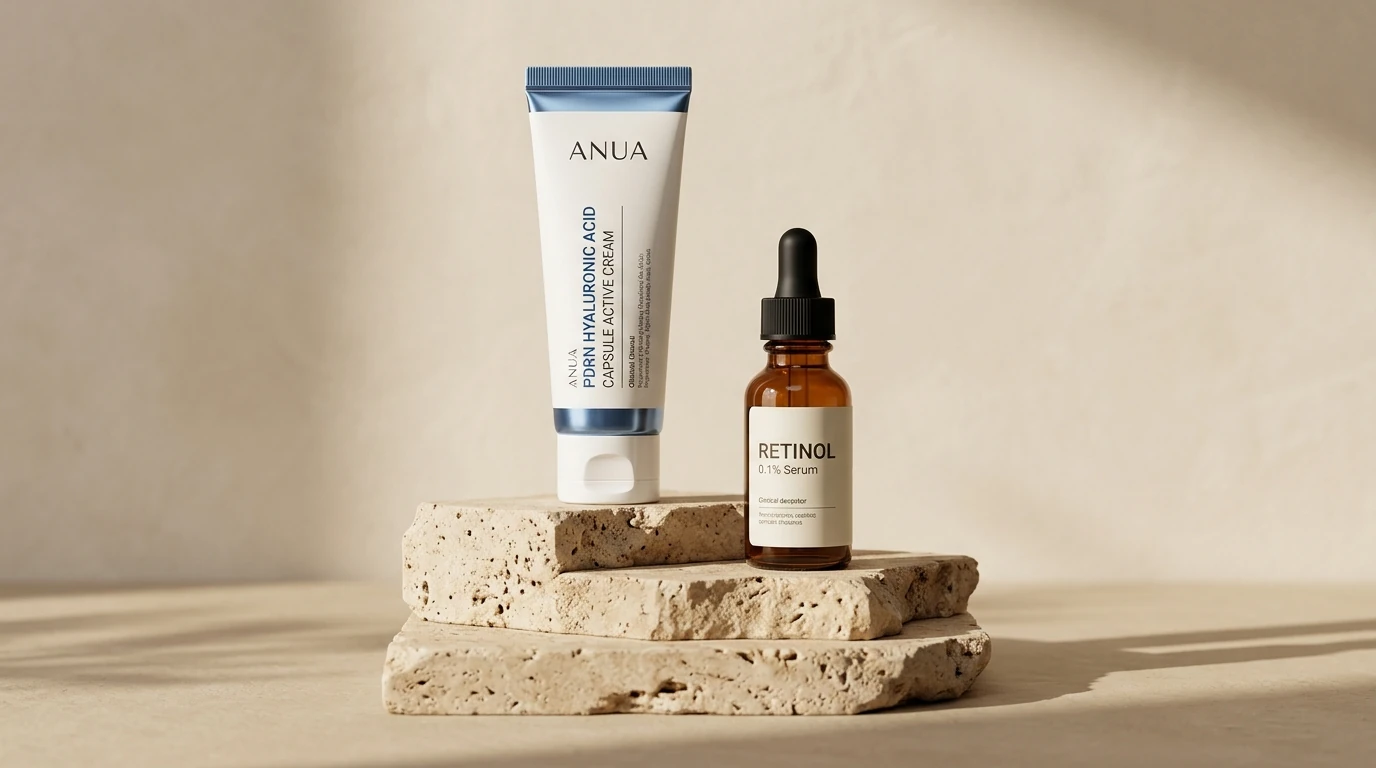
Dispense a pea-sized amount of your retinol serum or cream. Dot it across your forehead, cheeks, and chin, then smooth it evenly, keeping a safe distance from the delicate eye corners and lower eyelid margin.
Step 3: Seal with ANUA PDRN Cream
Wait sixty seconds for your retinol to absorb. Then smooth a dime-sized amount of ANUA PDRN Hyaluronic Acid 100 Cream over your entire face and neck. The combination of salmon DNA bio-actives, multi-weight hyaluronic acid, and Ceramide NP forms a comforting cushion that locks the active in while preventing moisture loss.
In Simple Terms: Pairing PDRN cream over retinol is like wearing a soft, padded inner sock inside a stiff pair of shoes. The shoe does its job of walking, but the soft inner lining stops friction so you never develop painful blisters.
Frequently Asked Questions About PDRN and Retinol
Can I mix PDRN cream and retinol in my hand before applying?
It is better to layer them sequentially. Applying your retinol first allows the active to bind to retinoid receptors on clean skin. Following with the ANUA PDRN cream creates an occlusive shield that seals in hydration without diluting the retinol formula.
Should I use PDRN and Retinol every night?
If you are new to retinol, start by using this combination two nights per week for the first two weeks. On off-nights, use the ANUA PDRN cream on its own to keep the moisture barrier strong and calm.
Can I use Vitamin C in the same routine?
No. Keep Vitamin C for your morning routine under broad-spectrum SPF 50, and save your Retinol plus PDRN combination for the evening.
ANUA PDRN Hyaluronic Acid 100 Cream
Fast-absorbing salmon DNA emulsion that buffers strong actives and restores fragile skin barriers without heavy grease.
Official Sources & Clinical References
- PDRN A2A Receptor Healing Pathway: International Journal of Molecular Sciences: "Polydeoxyribonucleotide (PDRN) Promotes Cutaneous Wound Healing and VEGF Expression via A2A Receptor Activation."
- Retinoid Induced Barrier Dysfunction: Journal of Investigative Dermatology: "Mechanisms of Retinoid-Induced Epidermal Hyperplasia and Transepidermal Water Loss Dynamics."
- Ceramide and Hyaluronic Synergies: Journal of Clinical and Aesthetic Dermatology: "Barrier Repair Strategies for Patients Initiating Topical Retinoid Therapy."